Why Cold Plunging Has Exploded in Popularity
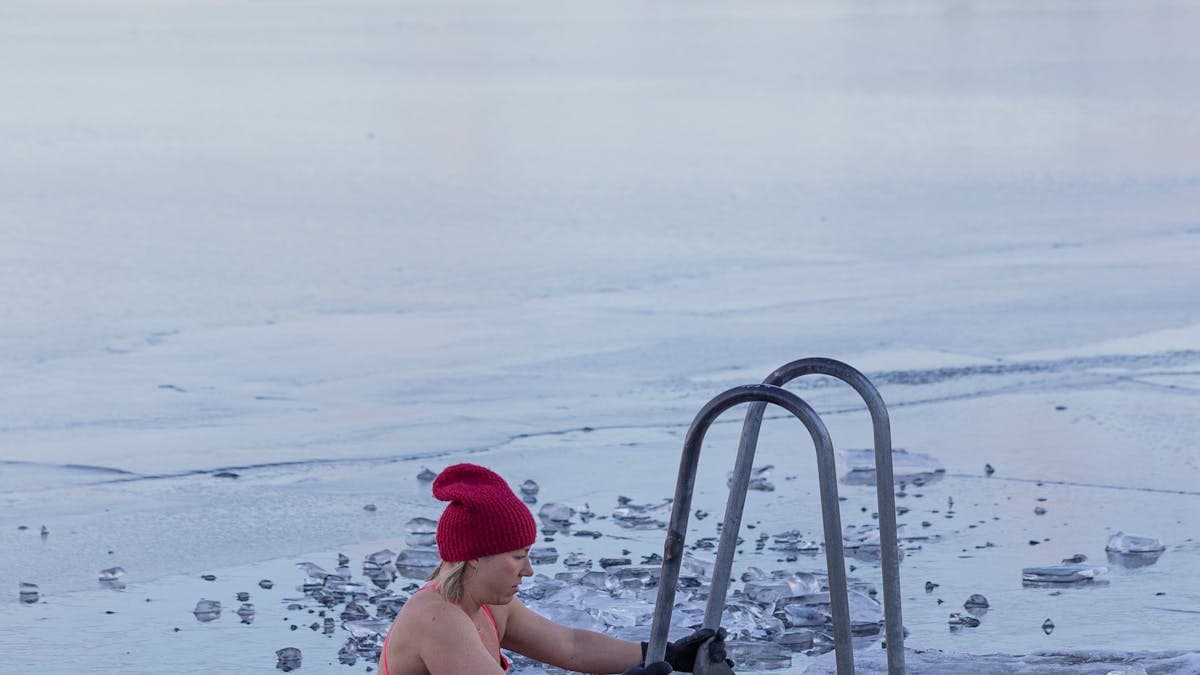
Cold water immersion is no longer a fringe biohacking practice reserved for elite athletes and Wim Hof devotees. In 2026, cold plunging has gone thoroughly mainstream, driven by a growing body of scientific research, endorsements from everyone from NFL players to tech executives, and the simple reality that people feel dramatically better after doing it consistently.
The science is compelling. Regular cold water exposure has been shown to increase norepinephrine levels by up to 530% during sustained immersions (Šrámek et al., 2000), reduce inflammation markers, improve mood and mental clarity, accelerate muscle recovery, and support healthy immune function. A 2024 study published in Cell Reports Medicine found that deliberate cold exposure triggers changes in brown fat activation and signaling lipids associated with metabolic health, effects that appear to persist beyond the individual session.
But the real driver of adoption is accessibility. Five years ago, cold plunging at home meant filling a chest freezer with water and hoping the seals held. Today, purpose-built cold plunge tubs range from affordable inflatable models under $500 to premium hardshell units with integrated chillers, filtration, and Wi-Fi controls. Whatever your budget and space, there is a cold plunge solution that fits.
This guide will walk you through every decision you need to make, from tub type and temperature range to placement, filtration, and budget. By the end, you will know exactly what to look for and which setup matches your goals. And if you want to browse our full collection of cold plunge tubs, visit our cold plunge collection page to see what we carry.
Types of Cold Plunge Tubs: Inflatable vs. Hardshell vs. Barrel
The first and most important decision is the type of tub. Each category has real trade-offs in terms of portability, durability, temperature retention, and cost. Understanding these differences will save you from buying the wrong unit for your situation.
Inflatable Cold Plunge Tubs
Inflatable tubs are the entry point for most cold plungers, and modern designs have come a long way from the flimsy kiddie-pool aesthetic. High-quality inflatable cold plunge tubs use multi-layer PVC or TPU construction with reinforced seams, insulated walls, and structured rims that hold their shape when filled. Many include fitted insulated lids to maintain temperature.
The biggest advantages are price and portability. You can get a well-made inflatable cold plunge tub for $200 to $800, and most pack down small enough to store in a closet or take to a vacation rental. Setup takes 10 to 15 minutes with an electric pump. For anyone who is not sure whether cold plunging will become a long-term habit, or who rents their home and cannot install permanent fixtures, inflatables are the smart starting point.
The trade-offs are real, though. Inflatable tubs lose cold faster than insulated hardshell models, which means you will use more ice or need a chiller running more frequently. They are also more vulnerable to punctures (though repair kits are standard), and they do not look as polished on a patio or in a wellness room. Expect a lifespan of 2 to 4 years with regular use, versus 10+ years for a hardshell unit.
Our top pick in this category is the DCT Cold Plunge Inflatable Oval Tub, which offers a generous soaking area, multi-layer insulated walls, and a fitted lid, all at a price point that makes it easy to commit to the practice. We also carry the DCT Cold Plunge Inflatable Round Tub for those who prefer a more compact footprint. Both are available on our cold plunge collection page.
Hardshell Cold Plunge Tubs
Hardshell tubs are the mid-range to premium tier, built from acrylic, fiberglass, rotomolded polyethylene, or stainless steel. These are permanent or semi-permanent installations designed for daily use over many years. The best hardshell tubs feature thick insulated walls (R-7 or higher), integrated drainage, and compatibility with external chillers and filtration systems.
Prices range from $1,500 for a basic rotomolded polyethylene tub to $5,000+ for a fully insulated acrylic unit with built-in chiller and ozone sanitation. The investment pays off in temperature retention, a well-insulated hardshell tub can hold 39°F water for 24+ hours in a climate-controlled environment without the chiller running, which saves significantly on electricity over time.
Hardshell tubs also look substantially better. If your cold plunge will live on a deck, in a home gym, or in a dedicated wellness room, a hardshell unit with clean lines and a modern finish elevates the entire space. Many models come in neutral tones that complement outdoor furniture or interior design.
Barrel / Stock Tank Style
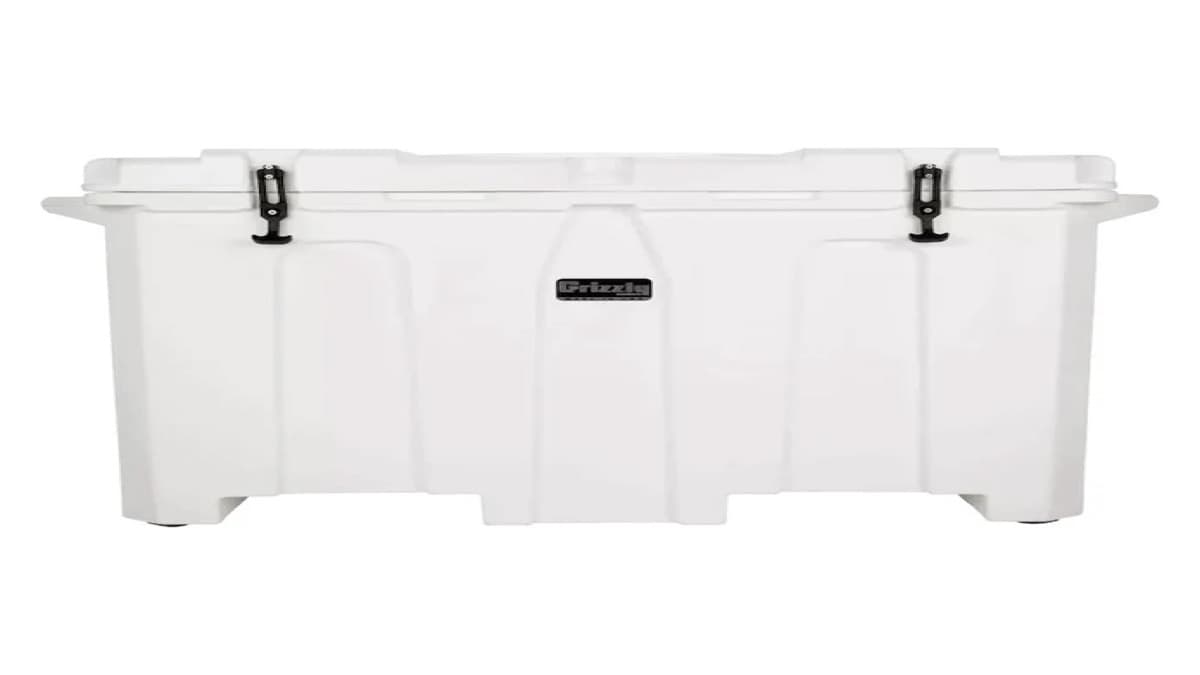
Barrel-style cold plunge tubs occupy a niche between inflatable and hardshell. Cedar and redwood barrels offer natural insulation, a distinctive aesthetic, and the pleasant aroma of natural wood. Stock tanks, galvanized steel tubs originally designed for livestock, have become a popular DIY cold plunge option thanks to their low cost ($100 to $300), durability, and no-nonsense functionality.
The barrel approach works well if you value the rustic aesthetic and do not mind a bit more maintenance. Wood barrels need periodic sealing and can develop mold if not dried properly between uses. Stock tanks have zero insulation, so they are best paired with a chiller or used in cooler climates where ambient temperatures do some of the work. Neither option offers built-in filtration, so you will need to plan for water quality management separately.
Temperature Range and Chiller Options
Temperature is the defining variable of cold plunging, and getting it right matters more than almost any other factor. Too warm and you will not trigger the physiological responses that make cold plunging beneficial. Too cold and the experience becomes punishing rather than invigorating, increasing the risk of cold shock and making it harder to build a consistent habit.
For most people, the ideal cold plunge temperature is between 38°F and 55°F (3°C to 13°C). Beginners should start at the warmer end, 50°F to 55°F, and gradually work down over weeks as their cold tolerance improves. Experienced cold plungers and athletes recovering from intense training often prefer 38°F to 45°F. Below 38°F is generally unnecessary and carries increased risk of hypothermia for all but the most adapted practitioners.
Ice-Only Approach
The simplest temperature management method is adding bags of ice to an unrefrigerated tub. This works, but it is more expensive and less convenient than most people expect. Cooling a 100-gallon tub from 70°F tap water to 45°F requires approximately 40 to 60 pounds of ice, costing $8 to $15 per session depending on your local ice prices. If you are plunging daily, that adds up to $250 to $450 per month, more than the monthly cost of running a dedicated chiller.
Ice-only works best for occasional use (2-3 times per week), for inflatable tubs that are drained between uses, or as a bridge while you evaluate whether you want to invest in a chiller. If you know you will plunge daily, skip straight to a chiller, the math favors it within 2 to 3 months.
Dedicated Cold Plunge Chillers
A chiller is the single biggest upgrade you can make to any cold plunge setup. These units work like a reverse water heater, circulating water through a refrigeration unit and returning it to the tub at your target temperature. Modern cold plunge chillers can maintain water at 37°F to 40°F indefinitely, with electricity costs of $30 to $70 per month depending on your climate, insulation, and target temperature.
Chillers range from $1,000 for a basic 1/10 HP unit suitable for well-insulated tubs in mild climates to $3,000+ for powerful 1/2 HP models that can handle large tubs, hot climates, and heavy daily use. Key specs to compare include cooling capacity (measured in BTU or HP), minimum achievable temperature, flow rate, noise level, and whether the unit includes built-in filtration or ozone sanitation.
When pairing a chiller with a tub, make sure the chiller's cooling capacity matches your tub volume and environment. An undersized chiller in a hot climate will run constantly, driving up electricity costs and shortening the compressor's lifespan. A good rule of thumb: in climates where summer temperatures exceed 90°F, size up by one tier from the manufacturer's recommendation.
Size Considerations: Finding the Right Fit
Cold plunge tubs vary dramatically in size, from compact single-person pods to full-size tubs that can accommodate users over 6 feet tall with room to spare. Getting the sizing right is critical, a tub that is too small will feel cramped and make it impossible to fully submerge your shoulders, while an oversized tub wastes water, requires more ice or chiller capacity, and takes up unnecessary space.
For most adults, the key measurement is interior depth. You want enough water depth to submerge your body up to your neck while seated, typically 20 to 28 inches of water depth. Width matters too: a tub interior of at least 24 inches lets you sit comfortably without your knees pressing against the walls. Taller users (over 6 feet) should look for tubs with at least 26 inches of water depth and 28 inches of interior width.
Water volume directly affects operating cost and temperature management. A compact 50-gallon tub requires half the ice and half the chiller capacity of a 100-gallon tub. If you are the only user and do not need to stretch out, a smaller tub is more efficient in every way. If multiple household members will use the tub, or if you prefer a more spacious experience, size up, but pair it with an appropriately powerful chiller.
Consider the footprint in your intended location. Measure the space before you buy, accounting for the tub itself plus at least 12 inches of clearance on all sides for access, maintenance, and airflow (especially important if using a chiller). A 100-gallon tub filled with water weighs approximately 900 pounds, make sure your deck, patio, or floor can handle the load. If placing on a wooden deck, consult a structural guide or contractor to verify weight capacity.
Indoor vs. Outdoor Use
Where you place your cold plunge tub affects everything from temperature management to maintenance to how often you actually use it. Both indoor and outdoor setups work well, but each comes with distinct considerations.
Outdoor Placement
Outdoor placement is the most popular choice, and for good reason. You avoid any concerns about water damage to flooring, drainage is simpler (many users drain directly onto grass or gravel), and the natural environment enhances the experience, especially morning plunges with fresh air and sunlight. Patios, decks, and backyard wellness areas are all excellent locations.
The main challenge with outdoor placement is temperature management. In hot climates like Arizona, Texas, or Florida, summer ambient temperatures can push uninsulated tub water above 80°F, far too warm for effective cold plunging. A chiller becomes essential for year-round outdoor use in warm regions. In cooler climates, ambient temperatures work in your favor during fall and winter, but you will still need a chiller or regular ice for summer months.
Outdoor tubs also face more exposure to UV, debris, and weather. Use a fitted cover whenever the tub is not in use to keep out leaves, insects, and sunlight (which promotes algae growth). UV-resistant materials and finishes are worth the premium for outdoor installations.
Indoor Placement
Indoor placement offers controlled conditions, consistent ambient temperature, no weather exposure, and privacy. Home gyms, garages, basements, and dedicated wellness rooms are all popular indoor locations. The climate-controlled environment means your chiller works less, saving electricity.
The trade-offs are moisture management and drainage. Cold plunging generates splashing, dripping, and condensation. Waterproof flooring (tile, sealed concrete, or vinyl) is essential. You will need a floor drain or a plan for pumping water out during water changes. Adequate ventilation prevents humidity buildup that can lead to mold. If placing in a finished space, consider a drip tray or waterproof mat beneath and around the tub.
Indoor placement also means carrying water to the tub or running a hose line, so proximity to a water source matters. Many dedicated indoor setups include a permanent water line and drain connection for maximum convenience.
What to Look For: Insulation, Drainage, and Filtration
Beyond tub type and size, several features separate a cold plunge tub you will love from one that becomes a frustration. These are the details that matter for daily use, long-term durability, and manageable maintenance.
Insulation
Insulation is arguably the most important feature for any cold plunge tub that will hold water between sessions. Well-insulated tubs maintain temperature for hours without the chiller running, which reduces electricity costs and extends chiller lifespan. Look for tubs with multi-layer closed-cell foam insulation in the walls and base, quality insulation can cut passive heat gain by 50% or more compared to a bare tub. An insulated lid is equally important, since water loses heat primarily through the surface, so a well-fitted insulated cover makes a major difference in how hard your chiller has to work.
Inflatable tubs with multi-layer insulated walls offer surprisingly good heat retention for their price point, though they cannot match the performance of a rigid tub with foam-core insulation. If you are choosing between a cheaper uninsulated hardshell tub and a premium insulated inflatable, the inflatable may actually hold temperature better.
Drainage
You will need to drain your cold plunge tub periodically, typically every 1 to 4 weeks depending on your filtration and sanitation setup. A built-in drain valve at the base of the tub is essential. Look for a standard garden hose thread adapter so you can attach a hose and direct water to a drain, garden, or street. Tubs without bottom drains require a submersible pump to empty, which adds hassle and cost.
The drain valve location matters too. A valve flush with the tub bottom drains almost all the water. A valve positioned several inches above the base leaves a puddle that needs to be sponged or pumped out. This seems like a small detail until you are doing it every other week.
Filtration
Filtration keeps your water clean between drain-and-refill cycles. The three main approaches are cartridge filters, ozone generators, and UV-C sanitation, and many premium setups combine two or three of these methods.
Cartridge filters (similar to hot tub filters) remove particulate matter, skin cells, hair, and debris. They need to be rinsed weekly and replaced every 3 to 6 months. Ozone generators inject ozone gas into the water, which kills bacteria and breaks down organic contaminants. UV-C sanitizers use ultraviolet light to neutralize pathogens as water passes through the unit. Both ozone and UV-C significantly extend the time between water changes, from weekly to monthly or longer.
If your tub does not include built-in filtration, you can add an external system. Inline filters and ozone generators designed for cold plunge tubs are available for $100 to $400 and connect between the tub and chiller in the plumbing loop. For ice-only setups without a chiller (and therefore no water circulation), you will need to change water frequently and use a mild sanitizer like hydrogen peroxide or bromine to keep things clean between changes.
Budget Ranges: What You Get at Every Price Point
Cold plunge tubs span an enormous price range, from under $200 for a basic inflatable to over $5,000 for a fully integrated system with chiller, filtration, and premium construction. Here is what to expect at each tier.
Under $500: Entry Level
At this price point, you are looking at inflatable cold plunge tubs and basic stock tanks. These are functional, effective tools for cold water immersion, do not let the low price fool you into thinking they are not "real" cold plunge tubs. A quality inflatable tub with an insulated cover will get you the same physiological benefits as a $5,000 setup. The differences are in convenience, temperature retention, durability, and aesthetics.
Expect to rely on ice for temperature management at this tier, as dedicated chillers alone cost more than the tub. Budget $10 to $15 per session for ice if you are filling fresh each time, or $5 to $8 if you are topping up an insulated tub that is holding some cold between sessions. This is the perfect starting point for anyone who is curious about cold plunging but not ready to commit to a premium setup.
$500 - $1,500: Enthusiast Level
This range opens up premium inflatables, basic hardshell tubs (rotomolded polyethylene), and quality wooden barrels. Tubs in this tier typically include better insulation, sturdier construction, built-in drain valves, and more comfortable seating positions. You may find basic filtration options at the upper end of this range.
At this budget, you might start considering an entry-level chiller ($800 to $1,200) to pair with your tub, which pushes total investment to $1,500 to $2,500 but transforms the daily experience. No more ice runs, no more waiting for the tub to cool down, and water that stays clean longer thanks to the circulation.
$1,500 - $3,000: Dedicated Setup
This is the sweet spot for serious cold plungers who want a reliable daily-use setup without breaking the bank. You can get a quality insulated hardshell tub plus a decent chiller, or a premium hardshell tub with manual ice management. Tubs in this range often include better ergonomics, more robust insulation, and compatibility with aftermarket filtration and sanitation systems.
At the upper end, some all-in-one units start to appear, tubs with integrated chillers that simplify setup and reduce the plumbing between separate components. These are slightly less powerful than dedicated standalone chillers but offer great convenience for the price.
$3,000 - $5,000: Premium Tier
The premium tier delivers the full experience, high-quality acrylic or fiberglass tubs with commercial-grade insulation, powerful integrated or standalone chillers capable of maintaining 37°F to 39°F, built-in multi-stage filtration (cartridge + ozone or UV-C), WiFi connectivity for temperature monitoring and scheduling, and refined aesthetics that look beautiful on a patio or in a wellness room.
At this level, you are buying a system that requires minimal daily attention. Fill it once, set your target temperature, and the system manages everything. Water changes drop to once a month or less with proper sanitation. The total cost of ownership is actually lower than budget setups when you factor in the eliminated ice costs, reduced water waste, and longer equipment lifespan.
Our Top Picks for 2026
At Strength & Wellness Supply, we have curated our cold plunge collection to offer the best options at accessible price points. Here are our current top recommendations:
Best Inflatable: DCT Cold Plunge Inflatable Oval Tub
The DCT Inflatable Oval Tub is our go-to recommendation for anyone starting their cold plunge journey or looking for a versatile, portable option. The oval shape provides a more natural seating position than round tubs, with enough room to submerge up to the shoulders comfortably. Multi-layer insulated walls and a fitted insulated lid help retain cold temperature between sessions, reducing ice consumption significantly compared to basic inflatables.
Setup takes about 10 minutes with the included electric pump, and the tub packs down small enough to store in a garage corner or closet when not in use. At its price point, the DCT Oval delivers outstanding value, you get 90% of the cold plunge experience at a fraction of the cost of a hardshell setup. Pair it with a bag of ice per session or an entry-level chiller and you have a fully functional daily cold plunge station.
Best Compact: DCT Cold Plunge Inflatable Round Tub
If space is limited, whether you are setting up on a small balcony, in a bathroom, or in a crowded garage gym, the DCT Round Tub is the smart choice. The circular footprint takes up less floor space than the oval model while still providing comfortable single-person immersion. The same multi-layer insulated construction keeps water cold, and the round shape is inherently strong and stable when filled.
The Round Tub is also the most travel-friendly option in our lineup. It packs down compact enough to take on road trips, to vacation rentals, or to competitions. For athletes who want cold plunge access wherever they train, this portability is a genuine advantage that hardshell tubs simply cannot offer.
How to Choose
If you are new to cold plunging and want the lowest-risk entry point, start with one of the DCT inflatable models. Use it consistently for 30 to 60 days. If cold plunging becomes a non-negotiable part of your routine (and for most people, it does), you can upgrade to a hardshell unit with a chiller knowing exactly what features matter most to you. The inflatable becomes your travel backup or guest tub.
Browse our full cold plunge collection to compare all available models, or call us at (602) 883-2804 for personalized recommendations based on your space, climate, and budget.
How to Start Cold Plunging Safely
Cold water immersion is a powerful physiological stressor, and like any stressor, it should be introduced gradually and respected. Here is how to build a safe, sustainable cold plunge practice from day one.
Start Warm and Work Down
Your first plunge should be between 55°F and 60°F, cool enough to feel challenging but warm enough that cold shock is minimal. Stay in for 1 to 2 minutes. Over the following two weeks, gradually decrease the temperature by 2 to 3 degrees per session and increase your time by 30 seconds to 1 minute. Most people reach their comfortable working temperature (typically 42°F to 50°F) within 3 to 4 weeks of consistent practice.
Do not rush this progression. The adaptation is neurological as much as it is physical, your body needs to learn that cold water is not a threat, and that learning happens through repeated, controlled exposure. Jumping straight into 38°F water as a beginner dramatically increases the risk of cold shock response (gasping, hyperventilation, panic) and makes it much less likely that you will come back for session two.
Breathing and Mindset
The single most important skill for cold plunging is controlling your breathing. When you enter cold water, your body's reflexive response is to gasp and hyperventilate. This is the cold shock response, and it is manageable with practice. Before entering the water, take 3 to 5 slow, deep breaths. As you submerge, focus on exhaling slowly and steadily. Your body will want to gasp, override this by making your exhale longer than your inhale. Within 30 to 60 seconds, the initial shock subsides and your breathing normalizes.
A calm, focused mindset makes a significant difference. Approach the plunge with intention, not dread. Some practitioners use a brief mental cue or mantra as they enter ("I am calm, I am in control"). Others focus on a specific point in their visual field. The goal is to stay present rather than fighting the sensation. With practice, entering cold water shifts from something you endure to something you look forward to.
Duration Guidelines
For beginners, 1 to 2 minutes is sufficient to trigger beneficial norepinephrine release and vasoconstriction. Intermediate plungers typically stay in for 3 to 5 minutes. Advanced practitioners may go 8 to 10 minutes, but research suggests that most of the measurable benefits occur within the first 2 to 3 minutes. Longer is not necessarily better, consistency matters far more than duration.
Total weekly cold exposure of 11 minutes, spread across 3 to 4 sessions, has been identified as an effective protocol by Dr. Andrew Huberman's research review at Stanford. This is a practical and achievable target for most people: four 3-minute plunges per week.
Safety Precautions
Never cold plunge alone if you are a beginner, have someone nearby who can assist if you experience dizziness or disorientation. Avoid cold plunging if you have unmanaged cardiovascular conditions, Raynaud's disease, or are pregnant, consult your physician first. Do not plunge after consuming alcohol, as it impairs thermoregulation and judgment. After your plunge, warm up naturally rather than jumping into a hot shower, the gradual rewarming process is part of the adaptive benefit. If you experience numbness in your extremities, persistent shivering that does not resolve within 10 minutes of exiting, or any chest pain, stop immediately and seek medical attention.
Cold plunging is one of the most accessible, affordable, and effective wellness practices available. With the right tub, a gradual progression, and consistent practice, it can become a cornerstone of your daily routine. Ready to get started? Explore our cold plunge collection or email us at support@strengthwellnesssupply.com, we are happy to help you find the right setup.
Frequently Asked Questions
The questions buyers ask us most often before choosing a cold plunge tub.
What temperature should a cold plunge be?
For most people the useful range is 38°F to 55°F (3°C to 13°C). Beginners should start at the warmer end, 50°F to 55°F, and work down over several weeks as cold tolerance improves. Experienced plungers and athletes recovering from intense training often prefer 38°F to 45°F. Below 38°F is generally unnecessary and carries increased risk for all but the most adapted practitioners. Your very first session should be warmer still, 55°F to 60°F, for 1 to 2 minutes.
Do I need a chiller, or is ice enough?
It depends on how often you plunge. Cooling a 100-gallon tub from 70°F tap water down to 45°F takes roughly 40 to 60 pounds of ice, which runs $8 to $15 per session. Plunge daily and that is $250 to $450 a month, more than the electricity to run a dedicated chiller, which typically costs $30 to $70 a month and holds 37°F to 40°F indefinitely. Ice-only makes sense for occasional use of 2 to 3 times per week, or for inflatable tubs that get drained between sessions. If you know you will plunge daily, the math favors a chiller within 2 to 3 months.
What size cold plunge tub do I need?
The measurement that matters most is interior depth. You want enough water to submerge up to your neck while seated, which is typically 20 to 28 inches of water depth, plus an interior width of at least 24 inches so your knees are not pressed against the walls. Users over 6 feet tall should look for at least 26 inches of water depth and 28 inches of interior width. Allow 12 inches of clearance around the tub for access, maintenance, and airflow, and check your floor loading first: a 100-gallon tub filled with water weighs roughly 900 pounds.
Can I put a cold plunge tub indoors?
Yes, and the controlled ambient temperature means a chiller works less and uses less electricity. The trade-offs are moisture and drainage. Waterproof flooring such as tile, sealed concrete, or vinyl is essential, and you need either a floor drain or a plan for pumping water out during water changes. Adequate ventilation prevents the humidity buildup that leads to mold, and a drip tray or waterproof mat under the tub is worth adding in a finished space. Proximity to a water source matters too, since you will be filling by hose or by hand.
How often do I need to change cold plunge water?
Typically every 1 to 4 weeks, depending on your filtration and sanitation setup. Cartridge filters remove particulate matter and need rinsing weekly and replacement every 3 to 6 months. Ozone generators and UV-C sanitizers both extend the interval between water changes significantly, from weekly out to monthly or longer. Ice-only setups without a chiller have no water circulation at all, so they need more frequent changes plus a mild sanitizer between them.
Is an inflatable cold plunge tub actually worth it?
For most people starting out, yes. A quality inflatable with an insulated cover delivers the same cold water immersion as a far more expensive setup; what you give up is convenience, temperature retention, durability, and appearance. Expect a lifespan of 2 to 4 years with regular use versus 10 or more years for a hardshell unit. Worth noting: a well-insulated inflatable can actually hold temperature better than a cheaper uninsulated hardshell tub, so insulation matters more than category. Inflatables are the sensible choice if you are not yet sure cold plunging will stick, or if you rent and cannot install permanent fixtures.
How long should you stay in a cold plunge?
Beginners typically stay in 1 to 2 minutes, intermediate plungers 3 to 5 minutes, and advanced practitioners sometimes 8 to 10 minutes. Research suggests most of the measurable effect occurs within the first 2 to 3 minutes, so longer is not necessarily better and consistency matters far more than duration. A commonly cited target is roughly 11 minutes of total weekly cold exposure spread across 3 to 4 sessions, which works out to about four 3-minute plunges per week.
Tags
Need help choosing?
Tell us your space, budget, and goal, we'll send 2-3 real picks with accurate freight and transparent pricing. One reply from a US-based specialist within a few business hours. No spam.