Why Home Recovery Rooms Are Exploding in Popularity
Five years ago, the idea of a dedicated recovery space at home was reserved for professional athletes with six-figure budgets. That has completely changed. Today, high-performance homeowners, professionals, entrepreneurs, weekend warriors, and anyone serious about longevity, are converting spare bedrooms, garage bays, and basement corners into personal recovery rooms.
The driving force is simple: the science is undeniable and the equipment is finally accessible. Peer-reviewed research supports infrared sauna use for cardiovascular health, cold water immersion for inflammation and mood, and pneumatic compression for muscle recovery and circulation. When you combine all three in a single space, the results compound. A typical recovery session, 20 minutes in the sauna, 3 minutes in the cold plunge, 30 minutes in compression boots, takes under an hour and replaces what used to require a gym membership, a spa visit, and a physical therapy appointment.
And the economics have shifted. A fully equipped home recovery room can cost less than two years of boutique recovery studio memberships, and you use it on your schedule without driving anywhere.
The Three Pillars of a Home Recovery Room
Every effective home recovery room is built on three complementary modalities. Each one targets a different physiological system, and together they create a recovery protocol that is greater than the sum of its parts.
1. Heat Therapy, Infrared Sauna
An infrared sauna is the centerpiece of most recovery rooms. Unlike traditional saunas that heat the air to extreme temperatures, infrared saunas use light wavelengths to penetrate the body directly, raising core temperature at a more comfortable ambient temperature (typically 120 to 150 degrees Fahrenheit versus 180 to 200 degrees for traditional saunas).
The benefits are well-documented: improved circulation, passive cardiovascular exercise (your heart rate increases similarly to moderate walking), deep sweating that supports the body's natural detoxification processes, and reduced muscle tension after exercise. Regular sauna use has also been associated with improved sleep quality and stress reduction.
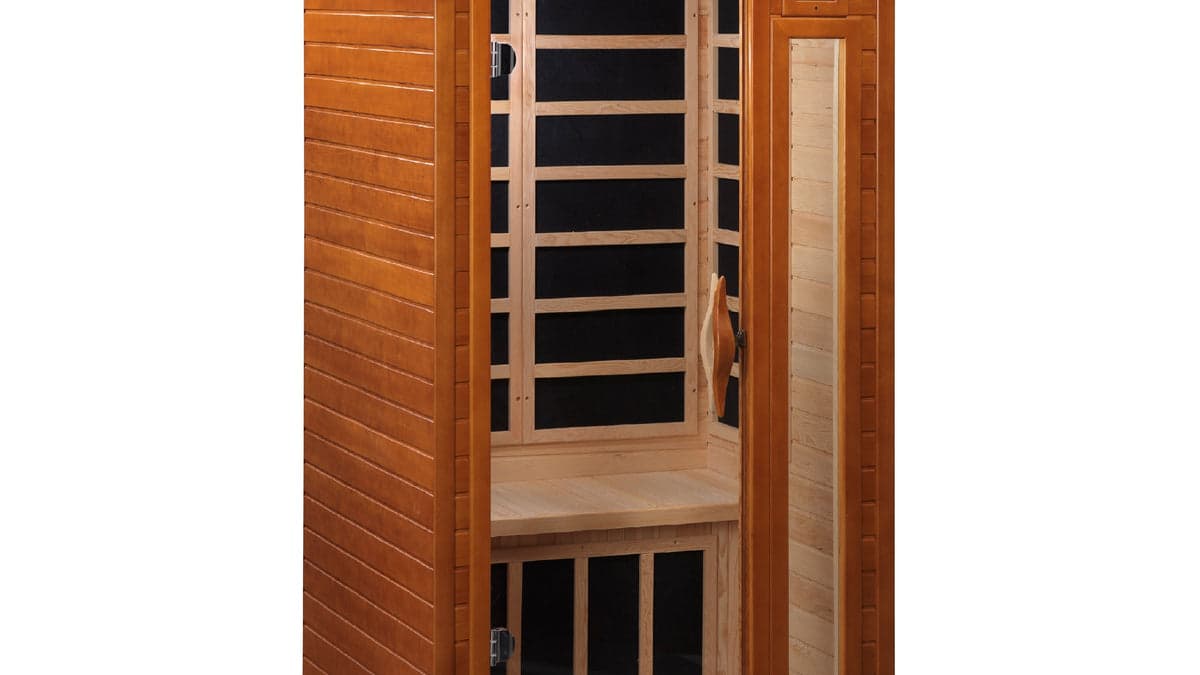
For a home recovery room, infrared saunas are ideal because they plug into a standard 120V household outlet, require no plumbing or ventilation, and heat up in 15 to 20 minutes. A quality two-person infrared sauna starts around $2,000 and fits in a footprint smaller than a standard closet.
Our pick: The Dynamic Cardoba Elite ($2,299) delivers ultra-low EMF output, full-spectrum heating, Bluetooth audio, and chromotherapy lighting in a compact two-person cabin. It is the most popular model in our catalog for home recovery rooms. Browse our full sauna collection to compare all models.
2. Cold Therapy, Cold Plunge Tub
Cold water immersion triggers a powerful stress response that drives adaptation. When you submerge in water below 60 degrees Fahrenheit, your body releases norepinephrine (up to 200 to 300 percent above baseline according to published research), activates brown fat thermogenesis, reduces systemic inflammation, and improves vagal tone. Athletes have used ice baths for decades, but the modern cold plunge tub makes the practice accessible, consistent, and far more pleasant than filling a bathtub with ice.
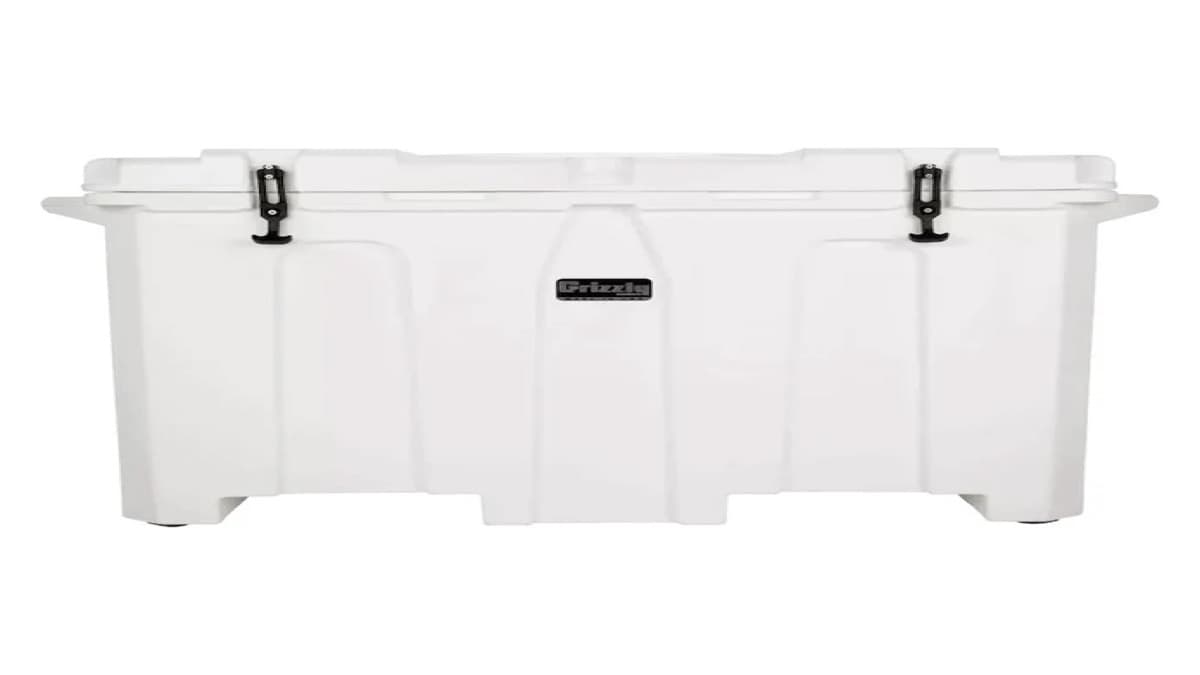
The key differentiator between cold plunge systems is the chiller. A dedicated chiller maintains your target temperature automatically, eliminating the need to buy and dump ice before every session. Systems with insulated tubs and quality chillers hold temperature efficiently, keeping operating costs low (typically $15 to $25 per month in electricity).
Our pick: The SaunaLife Model S2NC Package ($7,815) pairs a two-person insulated immersion tub with a combination water chiller and heater, so one install covers both cold plunge and warm soak. If you would rather build the system in stages, start with the DCT 0.8 HP cold/heat chiller ($3,299) and pair it with the tub of your choice. See all options in our cold plunge collection.
3. Compression Therapy, Pneumatic Boots
Pneumatic compression mimics the body's natural circulatory and lymphatic processes. Inflatable chambers wrap around your legs (or arms, or hips) and sequentially compress from the extremities toward the heart, accelerating the clearance of metabolic waste products and reducing fluid accumulation after intense training.
Compression therapy is the most passive of the three modalities, you sit or recline while the system does the work. A typical session lasts 20 to 40 minutes and is an ideal cool-down activity after sauna and cold plunge. Many users report noticeably reduced soreness the following day, especially after leg-heavy training.
Our pick: The Rapid Reboot Classic Boots Package is the most accessible entry point for clinical-grade compression therapy. Rapid Reboot also offers full-body, arm, and hip attachments for complete coverage.
Layout Planning: Where to Put Your Recovery Room
You do not need a dedicated room to build a recovery space. Here are the most common setups we see from customers, along with the space requirements for each.
Garage Bay (Most Popular)
A single-car garage bay provides roughly 200 square feet, more than enough for all three modalities plus storage. Place the sauna against a wall (most two-person saunas are about 4 feet wide by 3.5 feet deep), the cold plunge tub nearby with a floor drain or drip tray, and a chair or recliner for compression boots. Benefits: concrete floors handle water, electrical outlets are usually accessible, and the space is naturally separated from living areas.
Spare Bedroom
A 10-by-12 foot spare bedroom works well for a sauna and compression boots. Cold plunge tubs require more consideration in a bedroom setting, you will need waterproof flooring or a containment tray and proximity to a drain. Some customers place the cold plunge in an adjacent bathroom and keep the sauna and compression in the bedroom.
Basement
Basements are excellent for recovery rooms because they stay naturally cool (reducing chiller workload for the cold plunge), typically have concrete floors, and are separated from living spaces. Watch for ceiling height with saunas, most infrared saunas are about 6 feet tall, so you need at least 6.5 feet of clearance.
Covered Patio or Backyard
Outdoor recovery rooms are becoming increasingly popular, especially in warmer climates. The sauna must be covered and protected from direct rain. The cold plunge can be placed in the open. This setup offers the additional benefit of fresh air between modalities and the contrast of outdoor temperatures with hot and cold therapy.
Electrical Requirements
Most infrared saunas and cold plunge chillers run on standard 120V household circuits. However, you should not plug a sauna and a chiller into the same circuit, each draws significant amperage and may trip the breaker if combined. Plan for at least two dedicated outlets. No special wiring or 240V service is required for the equipment we carry.
Budget Breakdown: What a Home Recovery Room Actually Costs
One of the biggest misconceptions about home recovery rooms is the cost. Here is what real setups look like at three different budget levels.
Starter Setup ($3,000 to $4,000)
- Infrared sauna (1-2 person): $1,899 to $2,299
- Cold plunge (inflatable tub + ice, no chiller): $200 to $500
- Compression (Rapid Reboot CLASSIC Boots Package): $645
- Accessories (thermometer, timer, towels, mat): $100 to $200
This setup gives you all three modalities at the entry level. The biggest compromise is using ice instead of a chiller for the cold plunge, which means buying and dumping ice before each session.
Mid-Range Setup ($5,000 to $8,000)
- Infrared sauna (2-person, low EMF): $2,299 to $3,299
- Cold plunge (chiller + insulated tub): $2,000 to $3,500
- Compression (Rapid Reboot Boots & Hips, CLASSIC or REGEN): $945 to $1,395
- Accessories and setup: $200 to $500
This is the sweet spot for most home recovery rooms. The chiller eliminates the ice hassle, the sauna is a quality unit that will last 10+ years, and the compression coverage extends beyond just the legs.
Premium Setup ($10,000+)
- Infrared sauna (3-4 person, full spectrum): $3,500 to $5,000+
- Cold plunge (premium chiller system): $4,000 to $6,000+
- Compression (Rapid Reboot Complete Package, CLASSIC or REGEN): $1,145 to $1,595
- Red light therapy panel: $1,000 to $3,000
- Accessories, flooring, custom setup: $500+
Premium setups add a larger sauna (great for couples or entertaining), a top-tier cold plunge system with precise temperature control, full-body compression, and often a red light therapy panel for skin health and recovery. At this level, you have a recovery room that rivals what professional sports teams use.
Cost Comparison: Home vs Studio
For context, a monthly membership at a recovery studio (like Restore Hyper Wellness or a local cryotherapy center) typically runs $150 to $300 per month. Over two years, that is $3,600 to $7,200, and you are limited to the studio's hours and availability. A mid-range home recovery room pays for itself in under two years and is available 24/7 with zero commute.
The Optimal Recovery Protocol: How to Use Your Room
Once your recovery room is set up, the question becomes: what is the most effective order and timing? Here is the protocol used by most experienced practitioners and the reasoning behind it.
Recommended Sequence
- Sauna first (15 to 25 minutes), Start with heat to elevate core temperature, increase circulation, and begin the sweating process. This prepares the body for the cold by maximizing the thermal contrast.
- Cold plunge second (2 to 5 minutes), Move directly from the sauna to the cold plunge. The contrast between hot and cold creates a powerful circulatory pump effect, blood vessels dilate in the heat, then constrict in the cold, flushing metabolic waste and delivering fresh oxygenated blood to tissues. Start with 2 minutes and work up to 5 minutes as your tolerance builds.
- Compression third (20 to 40 minutes), Finish with compression therapy while you cool down, hydrate, and relax. The sequential compression continues the circulatory benefits and addresses any remaining fluid accumulation, particularly in the legs.
Frequency
Most people benefit from 3 to 5 sessions per week. Daily sauna use is safe and well-studied. Cold plunge can be done daily but many people prefer 3 to 4 times per week with rest days. Compression can be used daily without concern. Listen to your body and adjust based on your training load and how you feel.
Hydration
This is critical. You will lose significant fluid through sweating in the sauna. Drink 16 to 24 ounces of water before your session and another 16 to 24 ounces after. Adding electrolytes (sodium, potassium, magnesium) to your post-session water helps replace what you lose through sweat.
Ready to Build Your Recovery Room?
Building a home recovery room is one of the highest-ROI investments you can make in your health. The equipment lasts for years, the operating costs are minimal, and the time savings compared to driving to a studio or gym add up quickly.
If you are not sure where to start, here is our recommendation: start with the sauna. It is the most versatile piece, it requires zero plumbing, and it gives you immediate daily utility. Add the cold plunge when you are ready to introduce contrast therapy. Add compression boots whenever your budget allows, they are the easiest to integrate since they require only a chair and a power outlet.
Browse our collections to compare options:
- Infrared Saunas, Models starting from $1,399
- Cold Plunge Systems, Chiller bundles and standalone tubs
- Compression Recovery, Rapid Reboot boots, arms, hips, and full-body packages
Have questions about sizing, electrical requirements, or which combination is right for your space? Email us at support@strengthwellnesssupply.com or call (602) 883-2804. We are real people who use this equipment daily and love helping customers design their ideal setup.
Frequently Asked Questions
The questions we hear most often from customers planning a recovery room.
What equipment do I need for a home recovery room?
Three complementary modalities cover it: an infrared sauna for heat therapy, a cold plunge tub for cold therapy, and pneumatic compression boots for circulation and post-training recovery. Each targets a different physiological system, and a full session using all three, roughly 20 minutes in the sauna, 3 minutes in the cold plunge, and 30 minutes in compression boots, takes under an hour. If you are building in stages, start with the sauna: it needs no plumbing, gives you immediate daily utility, and is the most versatile of the three.
How much space does a home recovery room need?
Less than most people assume. A single-car garage bay of roughly 200 square feet fits all three modalities plus storage, and it is the most popular setup we see because concrete floors handle water and outlets are usually accessible. A 10-by-12 foot spare bedroom works well for a sauna and compression boots, though a cold plunge in that setting needs waterproof flooring or a containment tray and access to a drain. Most two-person infrared saunas are about 4 feet wide by 3.5 feet deep and about 6 feet tall, so a basement needs at least 6.5 feet of ceiling clearance.
Does a home recovery room need special electrical wiring?
Generally no. Most infrared saunas and cold plunge chillers run on standard 120V household circuits, and no 240V service is required for the equipment we carry. The one rule that matters: do not plug a sauna and a chiller into the same circuit. Each draws significant amperage and the combination may trip the breaker, so plan for at least two dedicated outlets in the space.
What order should I use sauna, cold plunge, and compression?
Sauna first for 15 to 25 minutes, cold plunge second for 2 to 5 minutes, then compression third for 20 to 40 minutes. Starting with heat elevates core temperature and maximizes the thermal contrast when you move to the cold. Finishing with compression works well as a cool-down while you hydrate and relax. If you are new to cold water, start at 2 minutes in the plunge and work up to 5 as your tolerance builds.
How often should I use a home recovery room?
Most people do well with 3 to 5 sessions per week. Daily sauna use is safe and well studied. Cold plunging can be done daily, though many people prefer 3 to 4 times per week with rest days in between. Compression can be used daily without concern. Adjust based on your training load and how you feel. Hydration matters more than people expect: drink 16 to 24 ounces of water before a session and the same again afterward, since you lose significant fluid sweating in the sauna.
Is a home recovery room cheaper than a recovery studio membership?
Over a couple of years, usually yes. A monthly membership at a recovery studio typically runs $150 to $300 per month, which is $3,600 to $7,200 over two years, and you are limited to the studio's hours and availability. A mid-range home setup generally pays for itself in under two years, is available whenever you want it, and involves no commute. The equipment also lasts for years and the operating costs are minimal.
Tags
Need help choosing?
Tell us your space, budget, and goal, we'll send 2-3 real picks with accurate freight and transparent pricing. One reply from a US-based specialist within a few business hours. No spam.