Understanding the Two Types of Saunas
At their core, both infrared and traditional saunas aim to make you sweat, but they achieve this goal in fundamentally different ways, and those differences affect everything from how the sauna feels during a session to how much it costs to install and operate.
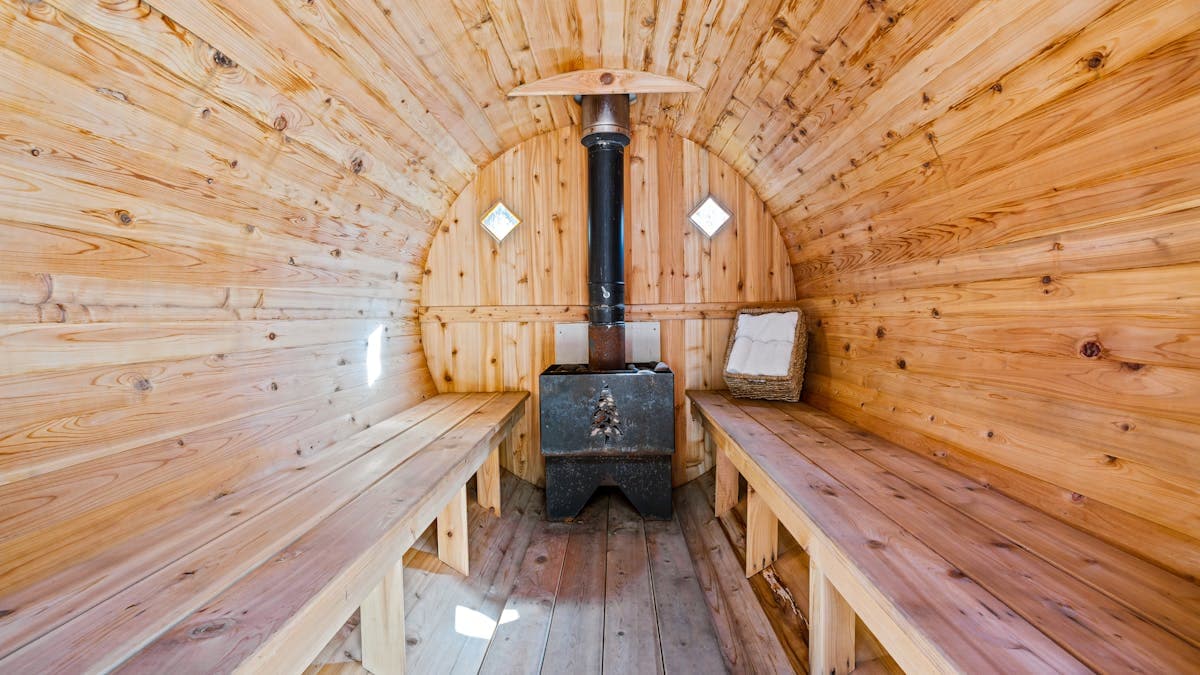
Traditional saunas (also called Finnish saunas) heat the air inside the cabin to 180-200°F using an electric or wood-burning heater, often with stones that can be doused with water to create steam. Your body heats up because the surrounding air is extremely hot.
Infrared saunas use infrared light panels to heat your body directly without significantly heating the surrounding air. The cabin temperature stays between 120-150°F, but the infrared energy penetrates your skin and warms you from within, producing a deep sweat at a lower ambient temperature.
The Heat Experience: Comfort and Intensity
This is often the deciding factor for many people. Traditional saunas deliver an intense, enveloping heat that can feel overwhelming, especially for beginners. The high air temperature combined with steam creates a dramatic experience that many sauna purists love. However, sessions are typically shorter (10-20 minutes) because the extreme heat can become uncomfortable quickly.
Infrared saunas offer a gentler, more accessible heat experience. Because the air temperature stays lower while your body still gets deeply warmed, most people can comfortably sit for 30-45 minutes. Many people who can't tolerate the extreme heat of a traditional sauna find infrared perfectly comfortable. This is particularly relevant for older adults, people with cardiovascular sensitivities, or anyone who simply doesn't enjoy feeling like they're sitting in an oven.
Health Benefits: How They Compare
Both sauna types offer meaningful health benefits, though through slightly different mechanisms:
Benefits Common to Both
- Improved circulation and cardiovascular function
- Muscle relaxation and reduced soreness
- Stress reduction and improved mood
- Better sleep quality
- Support for the body's natural detoxification processes through sweating
Where Infrared May Have an Edge
- Deeper tissue penetration: Infrared wavelengths can penetrate 1.5-2 inches into the body, potentially reaching muscles and joints more effectively than convective heat alone.
- Longer session times: The ability to comfortably sit for 30-45 minutes may amplify cumulative benefits per session.
- Calorie expenditure: Some studies suggest infrared sauna sessions may burn more calories due to the deeper heating effect, though this shouldn't be a primary motivation.
Where Traditional May Have an Edge
- Steam/humidity option: The ability to add water to rocks creates steam (called "löyly" in Finnish), which some people find therapeutically beneficial for respiratory health.
- Intense detox sweating: The extreme heat can produce a more profuse surface sweat in a shorter time.
- Cultural experience: For those who value the authentic Finnish sauna ritual, nothing replaces the traditional experience.
Browse traditional steam saunas in stock: Hanko 2P · Sundsvall 2P · Forssa 3P · Copenhagen 3P (2025) · Arlberg 3P (outdoor)
Installation, Cost, and Practicality
This is where the two types diverge significantly, and it's often the practical reality that determines which type most homeowners end up choosing.
Infrared Saunas
- Installation: Snap-together panels, 30-60 minutes, no contractor needed
- Electrical: Most plug into standard 120V outlet (1-2 person models)
- Ventilation: No special ventilation required
- Heat-up time: 15-20 minutes
- Operating cost: ~$0.15-0.50 per session ($10-15/month with daily use)
- Price range: $1,899–$7,999 for quality models, see entry options like the Dynamic Barcelona 2P at $1,899 or premium picks like the Bergamo Elite 4P Ultra Low EMF at $3,999.
Traditional Saunas
- Installation: May require construction, waterproofing, and professional installation
- Electrical: Typically requires 240V dedicated circuit and licensed electrician
- Ventilation: Requires proper ventilation and sometimes drainage
- Heat-up time: 30-60 minutes
- Operating cost: ~$0.50-2.00 per session (higher wattage heaters)
- Price range: $5,999–$6,999 for our pre-built traditional steam cabins (built-in saunas with custom installation can run higher), see the Hanko 2P at $5,999 or Forssa 3P at $6,999.
For most homeowners, especially those in apartments, condos, or homes without dedicated outdoor or basement space, infrared saunas win on practicality. They're significantly easier to install, cheaper to operate, and more portable if you move.
The Bottom Line: Which Should You Buy?
Choose an infrared sauna if: You want easy installation, lower operating costs, gentler heat, longer sessions, and the flexibility to place it in almost any room. This is the right choice for the vast majority of home sauna buyers.
Choose a traditional sauna if: You prefer intense, high-heat experiences with steam, value the authentic Finnish sauna ritual, and have the space, budget, and infrastructure for proper installation.
Consider a hybrid (steam + infrared) sauna if: You want the best of both worlds, authentic Finnish löyly when you want intensity, gentle infrared when you want longer comfortable sessions, all in a single cabin. The Golden Designs Carinthia 3-person outdoor hybrid is the only true dual-mode sauna in our current lineup.
Whichever type you choose, regular sauna use is one of the most accessible and enjoyable wellness practices you can add to your daily routine. The best sauna is the one you'll actually use consistently.
Frequently Asked Questions
What is the main difference between an infrared sauna and a traditional sauna?
A traditional (Finnish) sauna heats the air inside the cabin to 180-200°F with an electric or wood-burning heater, so your body warms up because the surrounding air is extremely hot. An infrared sauna instead uses infrared light panels to heat your body directly while the cabin air stays a gentler 120-150°F, producing a deep sweat at a lower ambient temperature.
Which is better for beginners, infrared or traditional?
Infrared is generally easier for beginners. Because the air stays cooler while your body still gets deeply warmed, most people can comfortably sit for 30-45 minutes. Traditional sauna sessions are usually shorter (10-20 minutes) because the intense 180-200°F heat becomes uncomfortable quickly. Infrared is also a common choice for older adults or anyone with cardiovascular sensitivities who finds extreme heat hard to tolerate.
Is an infrared or traditional sauna cheaper to install and run?
Infrared wins on both. Most 1-2 person infrared saunas plug into a standard 120V outlet, snap together in 30-60 minutes with no contractor, and cost about $0.15-0.50 per session (roughly $10-15/month with daily use). Traditional steam saunas typically need a 240V dedicated circuit and a licensed electrician, proper ventilation, and run about $0.50-2.00 per session due to higher-wattage heaters.
Do infrared and traditional saunas offer the same health benefits?
Both deliver the core benefits, improved circulation, muscle relaxation, stress reduction, better sleep, and detoxification through sweating. Infrared may have an edge in deeper tissue penetration (1.5-2 inches) and longer comfortable session times, while traditional saunas offer steam/löyly for respiratory comfort and a more intense surface sweat. The "best" choice depends on your heat preference and goals, not on one type being universally healthier.
Can I get both infrared and traditional heat in one sauna?
Yes, a hybrid sauna combines both. It gives you authentic Finnish steam (löyly) when you want intensity and gentle infrared when you want longer, comfortable sessions, all in a single cabin. The Golden Designs Carinthia 3-person outdoor hybrid is the only true dual-mode sauna in our current lineup.
Is a traditional sauna the same as a dry sauna?
Yes. A "dry sauna" is just another name for a traditional Finnish sauna. It heats the cabin air to 180-200°F at low humidity (roughly 10-20%), so the heat feels dry. You can ladle a little water over the rocks for short bursts of steam (löyly), but it runs dry by default. Infrared saunas are dry too, with no water or steam at all, but they run cooler at 120-150°F and warm your body directly instead of heating the air. So both the traditional and infrared saunas we carry deliver dry heat; only a steam room produces true wet heat.
What is the difference between a dry sauna and a steam room?
A dry sauna (traditional or infrared) uses dry heat at low humidity, which lets you sit comfortably at high temperatures and produces a deep sweat. A steam room is a separate category that runs cooler, around 110-120°F, but at 100% humidity, so it feels hotter and leaves the air thick and wet. Steam rooms need fully tiled, sealed, waterproofed enclosures and a steam generator, which is why most home buyers choose a dry sauna instead. We carry dry saunas (traditional and infrared), not steam rooms. If you are building or upgrading a traditional rock sauna, our HUUM vs Harvia heater comparison breaks down the two premium electric heater brands we carry.
Tags
Need help choosing?
Tell us your space, budget, and goal, we'll send 2-3 real picks with accurate freight and transparent pricing. One reply from a US-based specialist within a few business hours. No spam.